Global hydrogen demand in 2024, up 2% in a year1
Share of global hydrogen supply that is low-emission1
Estimated wellhead cost per kg of natural hydrogen2
Invested in natural hydrogen to date, nearly half in the US2
1: IEA, Global Hydrogen Review 2025 2: Argus Media, Natural H2’s low-cost potential draws investors (Jan. 30, 2026)
Global hydrogen demand in 2024, up 2% in a year1
Share of global hydrogen supply that is low-emission1
Estimated wellhead cost per kg of natural hydrogen2
Invested in natural hydrogen to date, nearly half in the US2
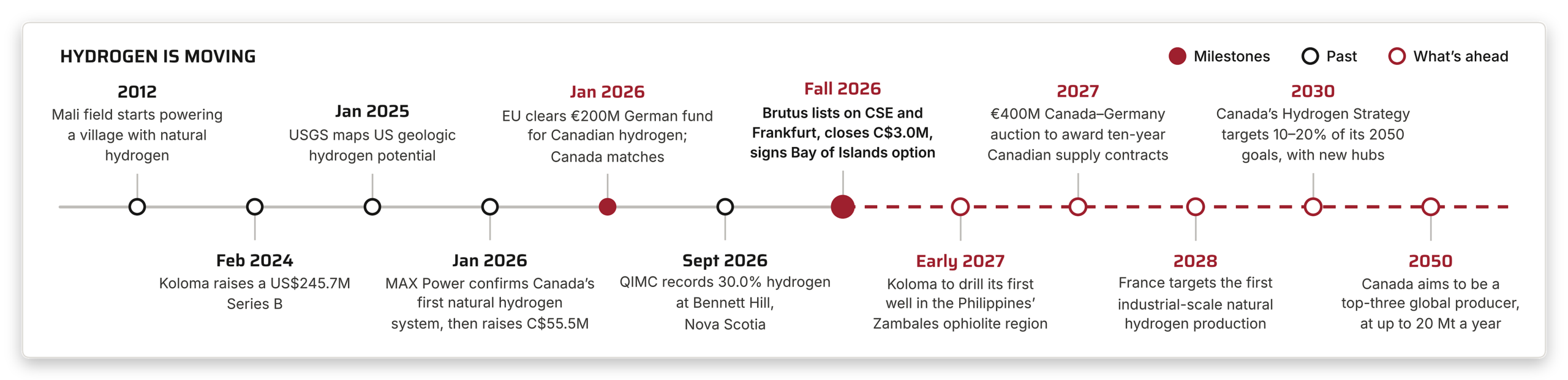
Sources: 1: IEA, Global Hydrogen Review 2025 2: Argus Media, Natural H2’s low-cost potential draws investors (Jan. 30, 2026) Timeline: Maiga et al., Scientific Reports (July 2023); Koloma (Feb. 2024); USGS (Jan. 2025); MAX Power (Jan. 16, 2026 and 2026 financings); European Commission (Jan. 15, 2026); QIMC (Sept. 2, 2026); Brutus Mining (Sept. and Oct. 2026) Ahead: Philippines DOE (July 2026); European Commission (Jan. 15, 2026); FDE (June 23, 2026); Hydrogen Strategy for Canada (Dec. 2020).
Hydrogen in gas from Mali’s main reservoir
Mali well powering a village since
First USGS map of US geologic hydrogen

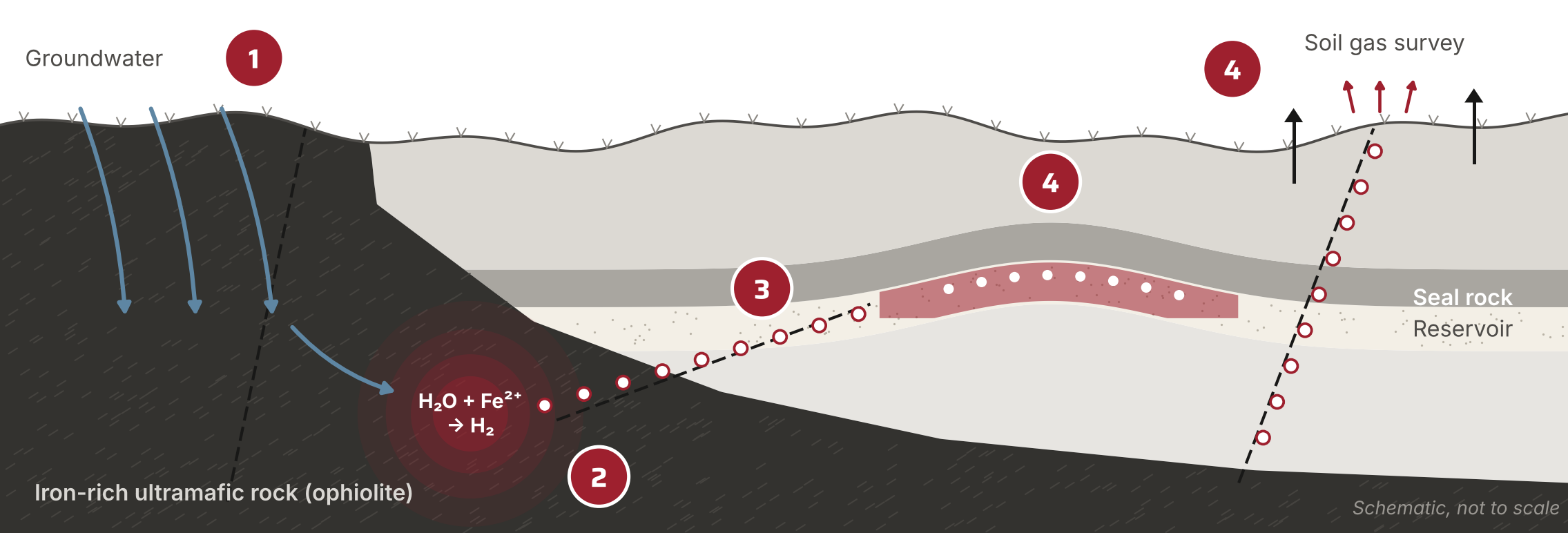
Click to expand image
Groundwater seeps into iron-rich ultramafic rock along faults and fractures.
The rock reacts with the water and releases hydrogen gas.
Hydrogen moves upward through faults, fractures and permeable rock.
It collects beneath sealing rock or vents at surface, where soil gas surveys can detect it.
Sources:
1: Maiga et al., Scientific Reports (July 2023) 2: USGS, Prospectivity Mapping for Geologic Hydrogen, Professional Paper 1900 (Jan. 16, 2025).
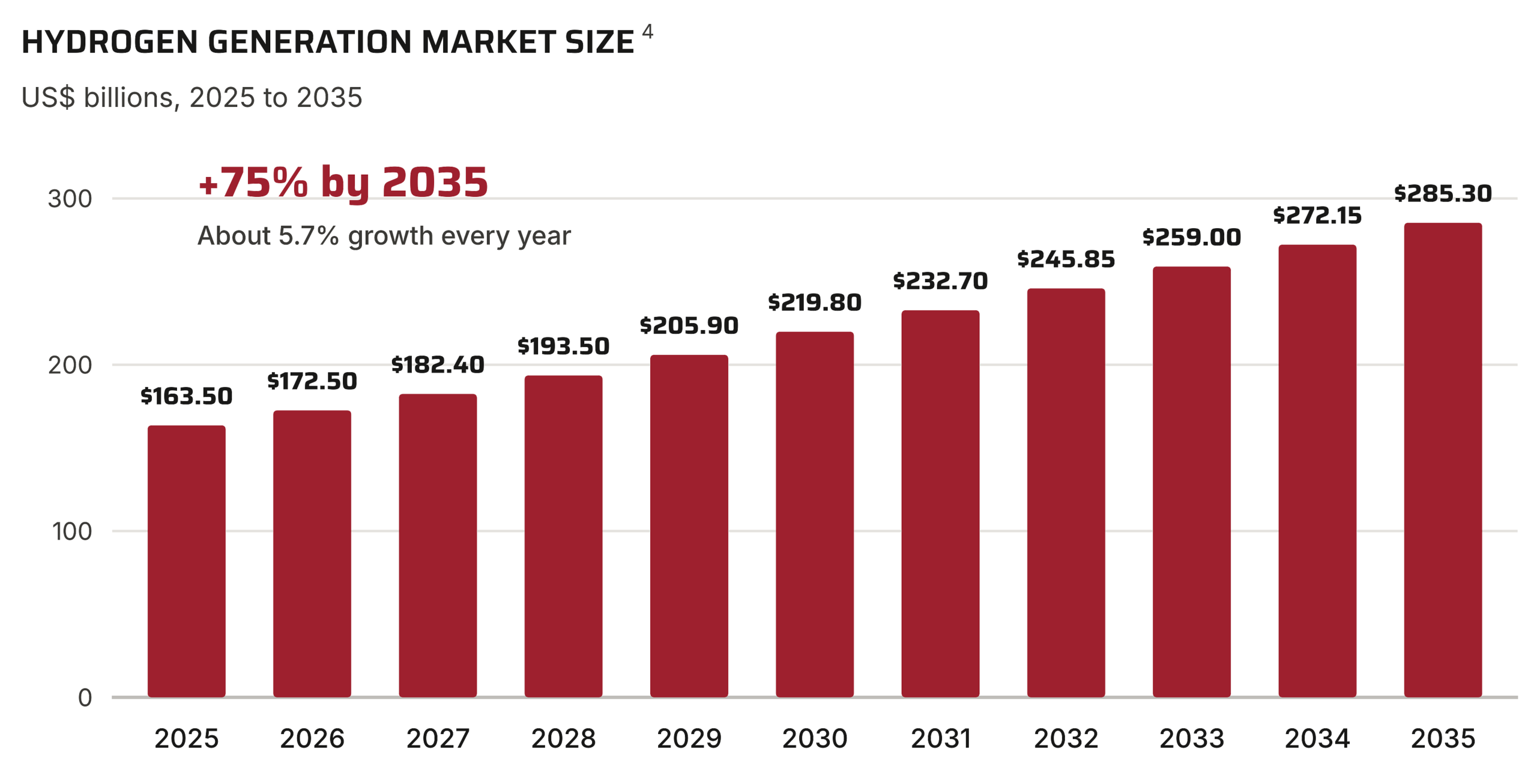
Global hydrogen demand in 2025, the highest on record
Forecast global demand by 2040, 2.4 times today
Committed to clean hydrogen projects in 2025, up from US$10B in 2020
Sources: 1: IEA, Global Hydrogen Review 2026 (2025 demand) 2: Roland Berger, The Roaring ’30s: A clean hydrogen acceleration story (2021) 3: Hydrogen Council and McKinsey, Global Hydrogen Compass 2025 (committed investment, projects past final investment decision) 4: Precedence Research, Hydrogen Generation Market Size 2025 to 2035 (forecast).
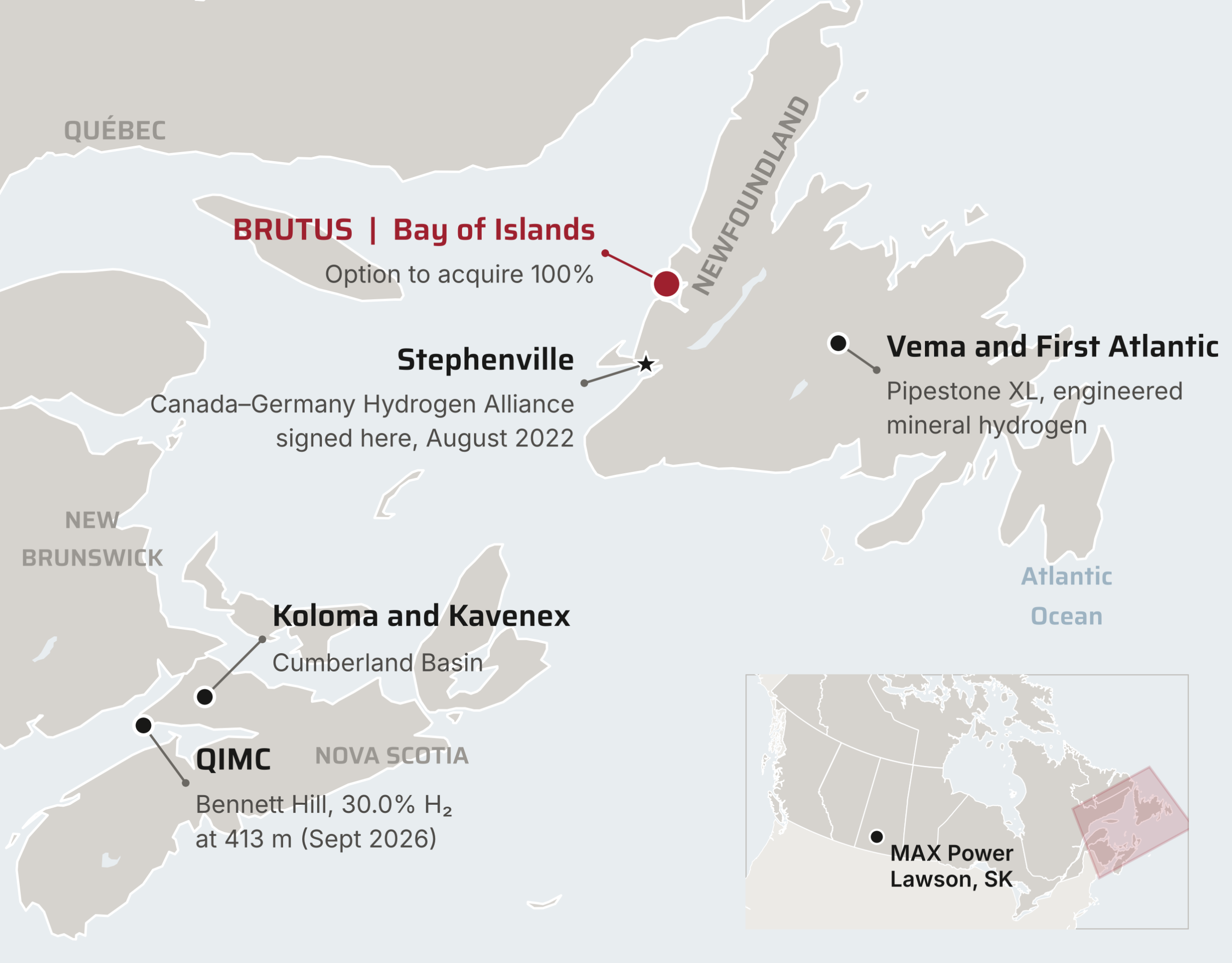
Canada’s first well drilled for natural hydrogen. A flow test at Lawson confirmed 16.8% to 19.07% hydrogen (January 2026).
A record 30.0% hydrogen at 413 m at Bennett Hill (peak mud-gas reading, September 2026), with soil gas work across a 43-km corridor.
Koloma, backed by Bill Gates’ Breakthrough Energy Ventures, has partnered with Kavenex Energy in the Cumberland Basin, where Primary Hydrogen also staked ground in 2026.
Vema Hydrogen and First Atlantic Nickel signed a non-binding LOI in June 2026 to develop engineered mineral hydrogen at Pipestone XL.
Sources: MAX Power Mining, Jan. 16, 2026; QIMC, Aug. 5 and Sept. 1, 2026 (preliminary mud-gas readings, pending laboratory analysis); Primary Hydrogen, Aug. 17, 2026; First Atlantic Nickel & Cobalt, June 8, 2026; Natural Resources Canada, Aug. 23, 2022 (Canada–Germany Hydrogen Alliance). Information on other companies comes from their public disclosure; the Company has no interest in their properties, and results there are not necessarily indicative of results on the Company’s properties.
*Click to expand image
Annual demand by 2040
Demand growth to 2040
Supply deficit by 2040
*Click to Expand Images

Sources:
1: International Copper Association (ICA) 2: S&P Global, Copper in the Age of AI (Jan. 8, 2026)
3: ICA and IDTechEx (2017), copper per EV charger and per vehicle 4: IEA, The Role of Critical Minerals in Clean Energy Transitions (2021), copper per MW.
Global hydrogen demand reached 100+ Mt in 2025, the highest on record, and is forecast to reach 240 Mt by 2040, 2.4 times today. Less than 1% of global hydrogen supply is low-emission.
Groundwater seeps into iron-rich ultramafic rock along faults and fractures. The rock reacts with the water and releases hydrogen gas. Hydrogen moves upward through faults, fractures and permeable rock. It collects beneath sealing rock or vents at surface, where soil gas surveys can detect it.
The estimated wellhead cost of natural hydrogen is US$0.5–1 per kg. About US$1B has been invested in natural hydrogen to date, nearly half in the US.
In Mali, a well has powered a village since 2012, and gas from the main reservoir is 98% hydrogen. In 2025 the USGS released the first map of US geologic hydrogen.
In Saskatchewan, MAX Power drilled Canada’s first well for natural hydrogen; a flow test at Lawson confirmed 16.8% to 19.07% hydrogen (January 2026). In Nova Scotia, QIMC recorded 30.0% hydrogen at 413 m at Bennett Hill (peak mud-gas reading, September 2026), and Koloma has partnered with Kavenex Energy in the Cumberland Basin. In Newfoundland, Vema Hydrogen and First Atlantic Nickel signed a non-binding LOI in June 2026 to develop engineered mineral hydrogen at Pipestone XL.
S&P Global projects annual copper demand of 42Mt by 2040, demand growth of 50% to 2040 and a supply deficit of 10Mt by 2040.
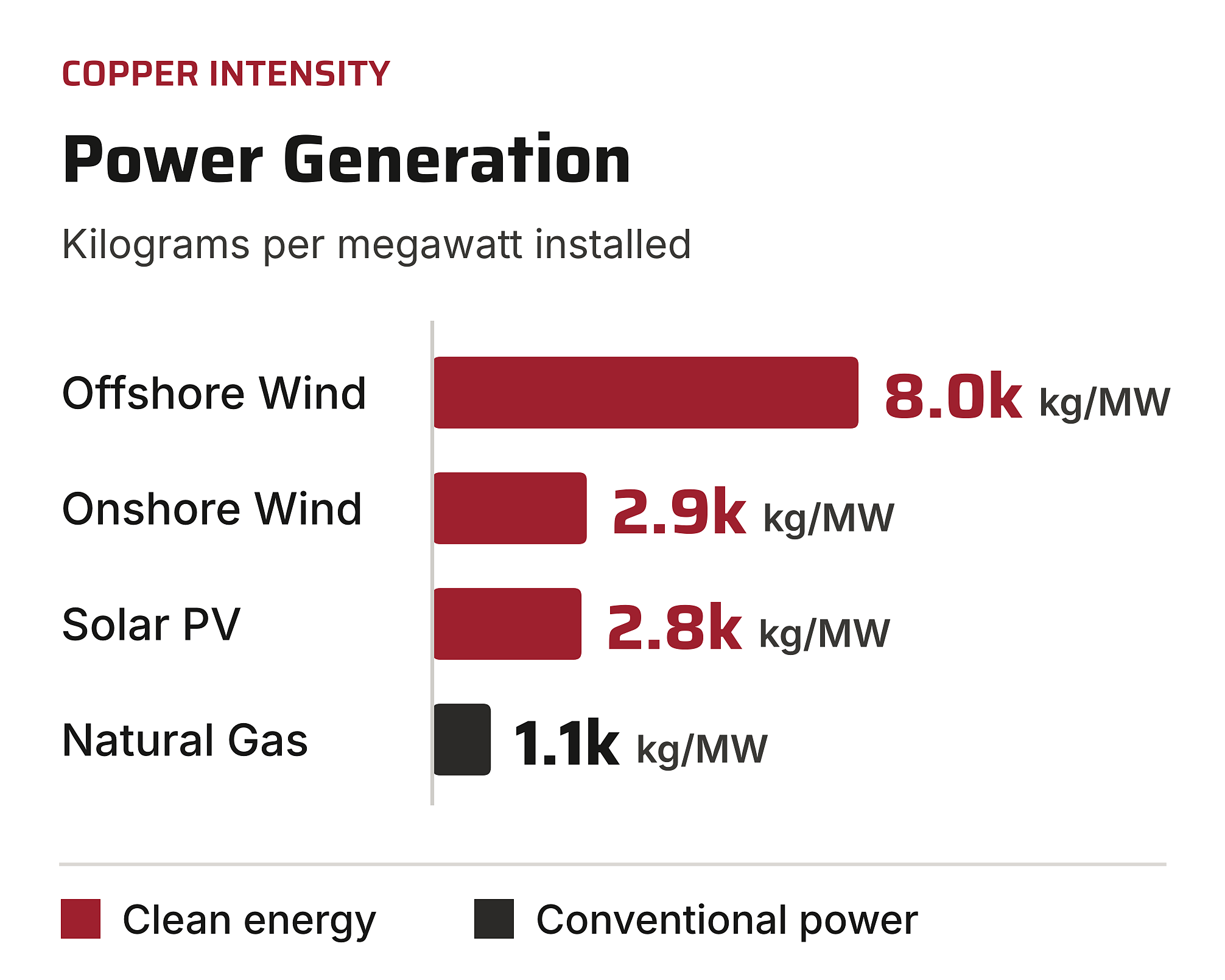
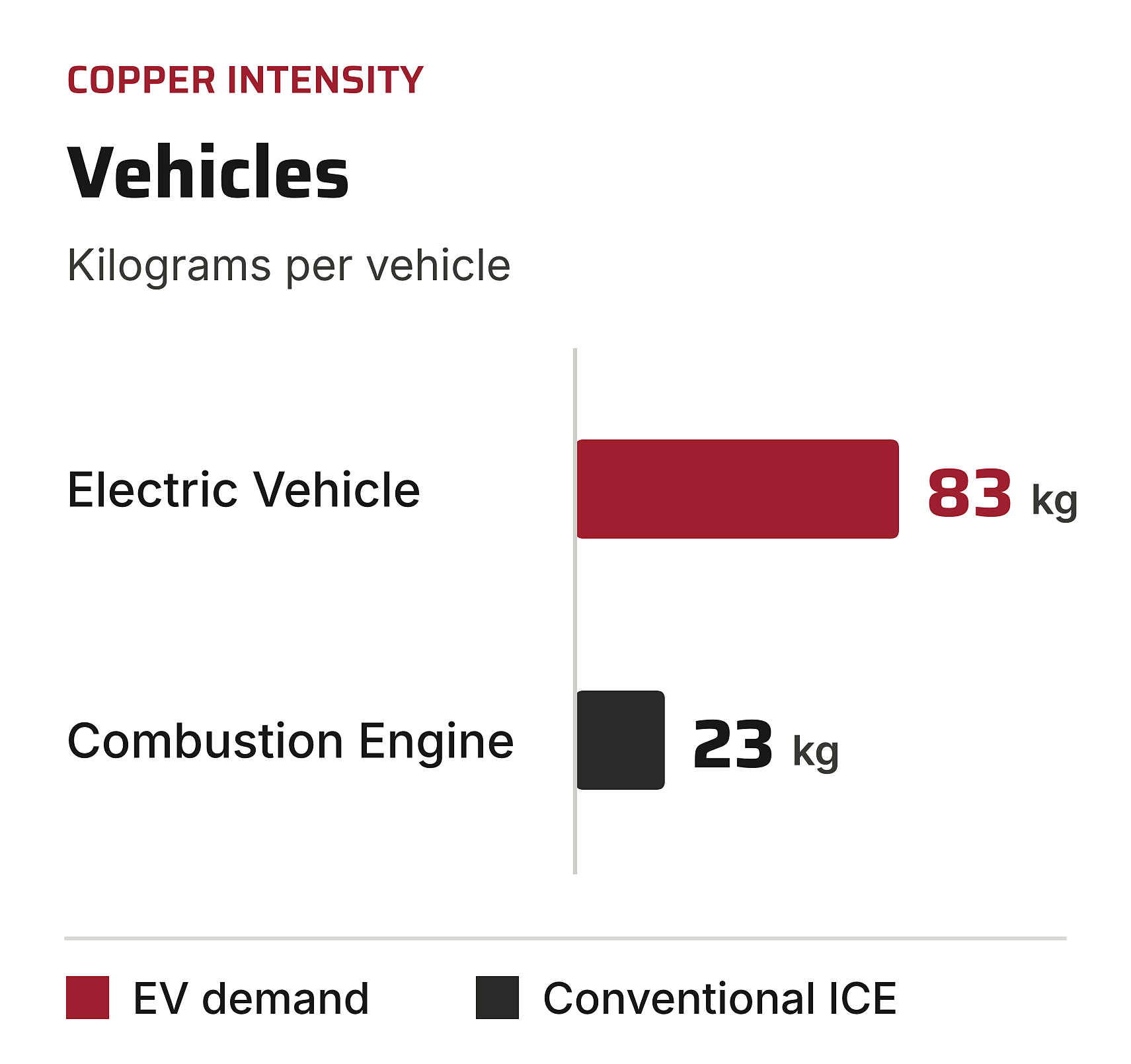
Copper is non-negotiable for the global energy transition. It is essential for wiring, renewables, EVs and grids, with no viable substitute at scale. Offshore wind needs about 8 tonnes of copper per MW, about 7 times a gas-fired plant, and EV chargers add about 0.7 kg of copper each, up to 8 kg per fast charger.
Sign up below to be notified of the latest news and updates from Brutus Mining Inc.